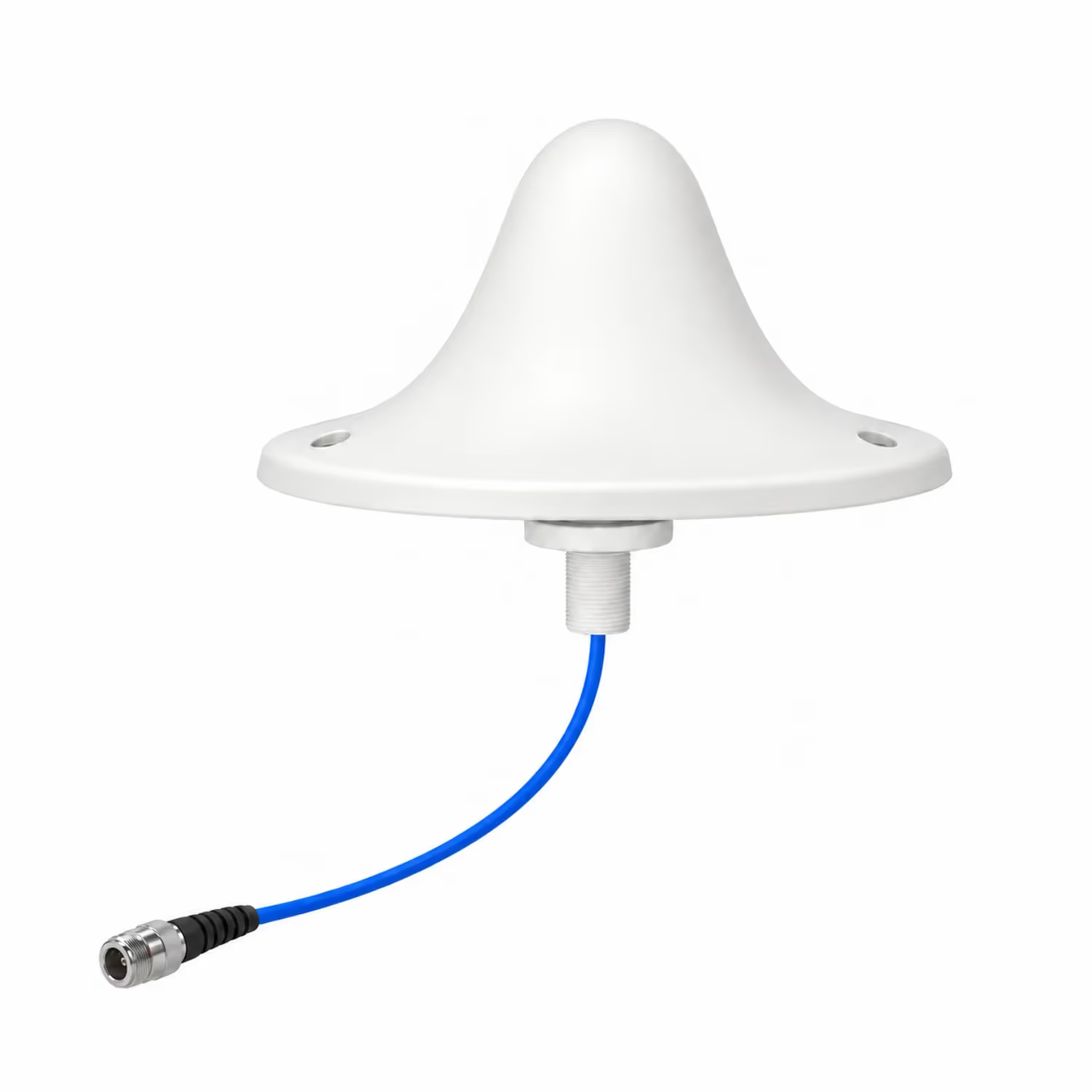
Aperçu
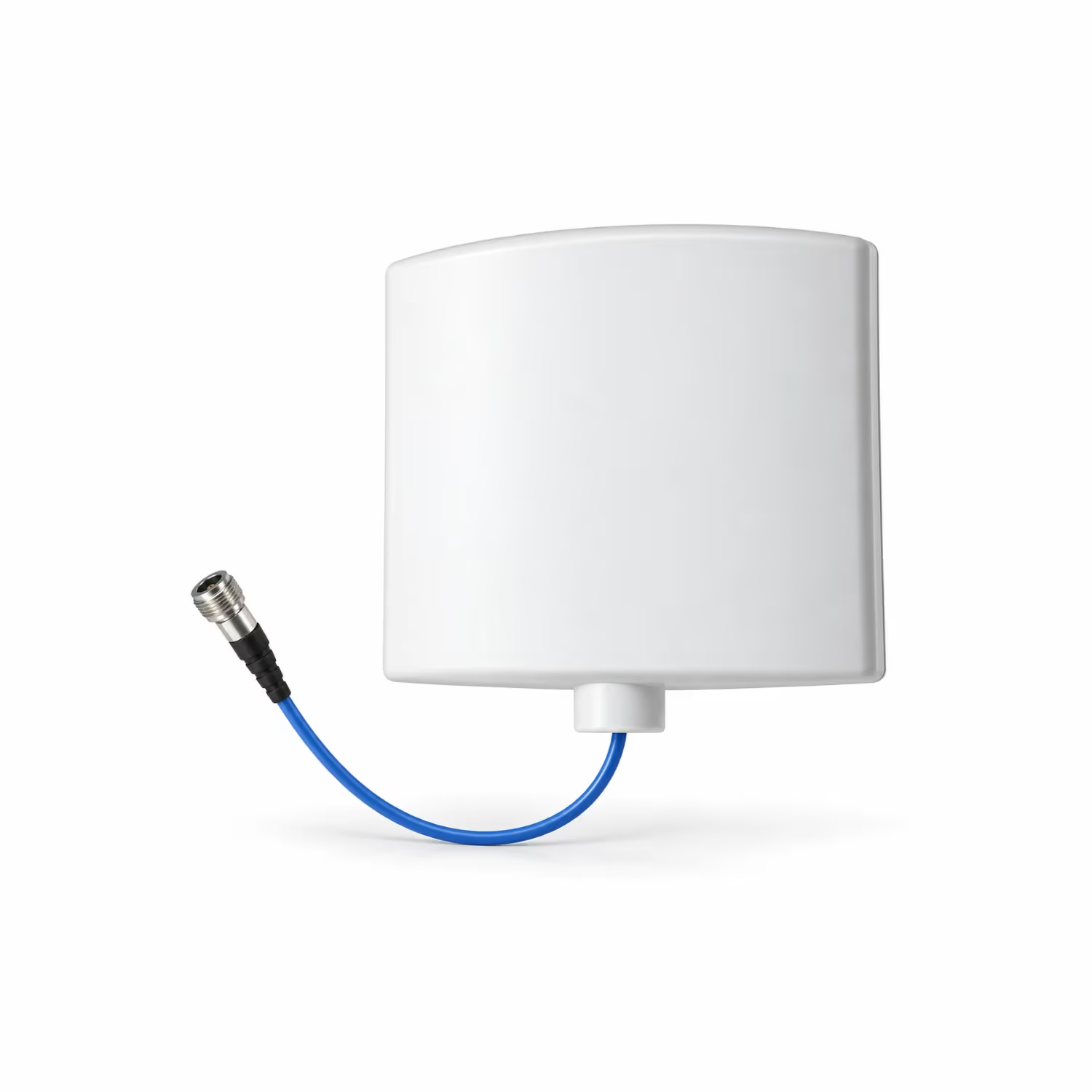
This wideband indoor ceiling antenna provides reliable 4G LTE and 5G Sub-6 GHz coverage across approximately 698–960 MHz, 1710–2700 MHz, and 3300–4000 MHz. Designed for DAS, signal booster, repeater, private network, and enterprise applications, it helps improve weak indoor cellular signals, reduce dead zones, and simplify multi-band network deployment with one discreet ceiling-mounted antenna.
Industry-Leading 5G High Gain Indoor Ceiling Antenna for Modern In-Building Wireless NetworksThis 5G High Gain Indoor Ceiling Antenna is a best-in-class wideband indoor cellular antenna engineered for professional 4G LTE, 5G Sub-6 GHz, DAS, signal booster, repeater, private network, and enterprise wireless applications. Designed to cover approximately 698–960 MHz, 1710–2700 MHz, and 3300–4000 MHz, it provides an exceptionally broad RF platform for modern indoor cellular infrastructure.
Instead of deploying separate antennas for low-band LTE, traditional cellular frequencies, and newer 3.5 GHz 5G networks, system integrators can use one versatile indoor ceiling antenna to support multiple technologies and frequency bands. This dramatically simplifies network architecture, reduces antenna inventory, lowers installation complexity, and makes future LTE-to-5G network upgrades easier.
The antenna combines wideband frequency coverage, high-gain RF performance, omnidirectional indoor signal distribution, discreet ceiling installation, professional RF connectivity, and compatibility with major indoor wireless architectures. It is an ideal solution for commercial buildings, offices, hotels, shopping malls, hospitals, airports, warehouses, factories, universities, transportation facilities, private LTE networks, private 5G networks, and Distributed Antenna Systems.
For telecom operators, DAS integrators, wireless solution providers, distributors, RF engineers, and OEM customers looking for a future-ready 4G LTE and 5G ceiling antenna, this revolutionary wideband platform provides the flexibility required for today's networks and tomorrow's frequency expansion.
Wideband 698–4000 MHz CoverageOne of the most important advantages of this 5G indoor ceiling antenna is its exceptionally wide operating frequency range.
The antenna covers key spectrum across:
Frequency Range
Typical Applications
698–960 MHz
Low-band LTE, indoor cellular coverage, long-range building coverage
1710–2700 MHz
LTE, cellular voice and data, multi-band DAS, mobile broadband
3300–4000 MHz
5G Sub-6 GHz, n78, partial n77, CBRS, private 5G, C-band applications
This broad frequency architecture allows one antenna to support a wide range of global cellular networks without requiring a separate ceiling antenna for every frequency band.
For system integrators, this means fewer product models to qualify, fewer SKUs to manage, and greater flexibility when a project involves multiple mobile operators or technologies.
For building owners and enterprises, it means the installed antenna infrastructure is better prepared for future network modernization.
Built for 4G LTE and 5G Sub-6 GHzTraditional indoor ceiling antennas were often designed primarily around legacy cellular networks or frequency coverage up to approximately 2700 MHz.
Modern indoor wireless systems increasingly require support for 5G mid-band frequencies in the 3.3 GHz to 4.0 GHz spectrum.
This antenna solves that problem by combining established LTE frequency coverage with important 5G Sub-6 GHz spectrum in one professional indoor antenna.
It is therefore an excellent choice for:
Existing 4G LTE networks
LTE and 5G hybrid networks
New 5G indoor deployments
Multi-band cellular DAS
Private LTE systems
Private 5G networks
CBRS network deployments
Neutral-host infrastructure
Indoor small-cell systems
Cellular signal booster systems
Enterprise mobile networks
Network modernization projects
This combination makes the antenna a game-changing option for customers who do not want to replace their entire indoor antenna system each time additional cellular frequencies are introduced.
Extensive 5G NR Band CompatibilityThe antenna's broad frequency coverage supports many important 5G NR bands used around the world.
Key supported 5G applications include:
5G Category
Representative Bands
Low-band 5G
n5, n8, n12, n13, n14, n20, n26, n28, n85
Mid-band 5G
n1, n2, n3, n7, n25, n30, n34, n38, n39, n40, n41
3.5 GHz 5G
n48, n78
Extended C-band coverage
Partial n77 within antenna frequency limits
Extended cellular bands
n65, n66, n67, n90 and other compatible frequencies
The antenna provides full frequency coverage for n78 from 3300 to 3800 MHz, making it particularly attractive for global 5G deployments.
It also supports the portion of n77 that falls within its upper operating range, providing additional flexibility for C-band network designs.
This makes the antenna highly suitable for markets where operators are actively deploying 5G around 3.3 GHz, 3.5 GHz, 3.7 GHz, and related Sub-6 GHz frequencies.
Extensive 4G LTE Band CompatibilityThe antenna also supports a broad range of commercial LTE frequency bands.
Important LTE bands within its operating range include:
LTE Network Type
Representative Bands
Low-band LTE
B5, B8, B12, B13, B14, B17, B18, B19, B20, B26, B28
Mid-band LTE
B1, B2, B3, B4, B7, B9, B10, B25, B30
TDD LTE
B34, B38, B39, B40, B41
3.5 GHz LTE
B42, B43, B48
Extended LTE
B65, B66, B68, B85 and compatible bands
This wide LTE compatibility allows the antenna to remain relevant even where 4G LTE continues to provide essential voice and data coverage alongside newer 5G networks.
For customers operating mixed-generation networks, this is especially valuable because LTE infrastructure does not need to be abandoned when 5G services are introduced.
Revolutionary One-Antenna Multi-Band ArchitectureA conventional indoor wireless project may require several antenna models to cover different cellular frequencies.
One antenna may be specified for low-band cellular coverage, another for 1710–2700 MHz LTE, and another for 3.5 GHz private 5G or C-band services.
This creates additional procurement, installation, engineering, maintenance, and inventory complexity.
This wideband indoor ceiling antenna provides a more efficient solution.
By consolidating multiple frequency requirements into one antenna platform, customers can reduce:
Number of antenna SKUs
Procurement complexity
Inventory requirements
Installation labor
Engineering documentation
Replacement part requirements
Technician training requirements
Future upgrade costs
Ceiling clutter
Project management complexity
For distributors and telecom wholesalers, one broadband antenna can serve many more applications.
For system integrators, one standardized antenna platform can be used across multiple project types.
For network operators, wide frequency support provides more flexibility when additional frequency bands are activated.
High-Gain Indoor Cellular PerformanceThis high gain indoor antenna is designed to provide strong RF performance while maintaining the broad radiation characteristics needed for effective ceiling-mounted signal distribution.
Higher-frequency cellular bands can experience greater propagation loss and building attenuation than lower frequencies.
A high-performance indoor antenna helps ensure that signals are effectively distributed through the intended coverage zone when used as part of a properly designed RF system.
The antenna is particularly useful for improving indoor coverage in buildings constructed with:
Reinforced concrete
Steel structures
Low-E glass
Metal roofing
Heavy insulation
Underground levels
Thick internal walls
These construction materials can significantly weaken signals from outdoor cellular base stations.
Installing a dedicated indoor DAS antenna or signal booster antenna brings the RF signal closer to users and connected devices.
Omnidirectional Ceiling-Mounted CoverageThe omnidirectional ceiling antenna architecture is designed to distribute cellular signals around the installation point.
This makes the antenna particularly effective for indoor spaces where users and devices may be located in multiple directions.
Typical applications include:
Office floors
Meeting rooms
Hotel corridors
Hotel guest areas
Shopping centers
Retail stores
Warehouses
Manufacturing floors
Hospitals
Schools
University buildings
Airport terminals
Railway stations
Convention centers
Underground parking garages
Instead of focusing RF energy in one narrow direction, the omnidirectional coverage pattern supports balanced indoor signal distribution around the ceiling-mounted antenna.
For large buildings, multiple antennas can be strategically positioned to create overlapping coverage zones.
Professional DAS AntennaThis product is particularly well suited for Distributed Antenna System applications.
A DAS distributes RF signals from one or more signal sources throughout a building using coaxial cable, splitters, couplers, amplifiers, and indoor antennas.
Because a DAS may need to support multiple operators and many frequency bands, broadband antenna performance is critical.
This 5G DAS ceiling antenna is designed for installations requiring:
Multi-band cellular coverage
Multi-operator network support
LTE and 5G coexistence
Neutral-host systems
Wideband RF distribution
Commercial building coverage
Enterprise cellular networks
Its wideband architecture helps integrators simplify the final antenna layer of the DAS while maintaining flexibility for additional network services.
Ideal Cellular Signal Booster AntennaThis antenna can also serve as an indoor distribution antenna for compatible cellular signal booster and repeater systems.
A signal booster receives an outside cellular signal, amplifies it, and redistributes the signal inside the building.
The indoor antenna is an essential part of this system.
A wideband ceiling antenna allows the booster system to distribute multiple supported cellular frequency bands through one indoor antenna architecture.
This can help address:
Weak indoor signal
Cellular dead zones
Poor voice quality
Dropped calls
Slow mobile data
Unstable network connections
Poor coverage in interior rooms
Underground coverage limitations
The antenna does not independently amplify the cellular signal. It functions as the RF distribution element within a properly configured repeater, DAS, small-cell, or indoor wireless system.
Excellent for Private 5G NetworksPrivate 5G is becoming increasingly important in industrial and enterprise environments.
Factories, warehouses, campuses, logistics centers, transportation facilities, utilities, and large enterprises are deploying dedicated cellular networks to improve security, reliability, mobility, automation, and device connectivity.
This antenna's 3300–4000 MHz coverage makes it especially suitable for many private 5G applications.
Potential deployments include:
Smart factories
Industry 4.0 systems
Automated warehouses
Private enterprise campuses
Logistics centers
Ports
Transportation hubs
Energy facilities
Manufacturing plants
Research facilities
Industrial IoT networks
The antenna can be integrated with compatible private 5G radio equipment to create professional indoor coverage zones.
Suitable for CBRS DeploymentsThe 3.5 GHz range is increasingly important for private wireless networks, including CBRS applications.
Because the antenna covers frequencies around 3550–3700 MHz, it can be used as part of compatible CBRS network infrastructure.
This makes it valuable for:
Enterprise private networks
Industrial private networks
Campus networks
Warehouse communications
Neutral-host systems
Indoor small cells
Private LTE deployments
Private 5G deployments
Organizations transitioning from Wi-Fi-only infrastructure toward managed private cellular networks can use this antenna as part of a scalable RF architecture.
C-Band Indoor Antenna Capability5G C-band has become an important component of high-capacity mobile broadband networks.
Higher-frequency 5G spectrum provides substantial capacity advantages but may have more difficulty penetrating building materials compared with lower-frequency cellular signals.
A dedicated C-band indoor antenna can therefore be essential for reliable in-building 5G coverage.
The antenna's upper operating frequency range supports important 3.3–4.0 GHz applications, making it suitable for many indoor C-band and mid-band 5G projects.
This is one of the key reasons this antenna is more future-ready than older indoor models designed only for frequencies below 2700 MHz.
Designed for Multi-Operator NetworksLarge buildings often need to support more than one cellular operator.
Different operators may use different LTE and 5G frequency bands.
Installing an antenna that only supports a small frequency range can restrict the flexibility of a multi-operator network.
This broadband cellular ceiling antenna provides system designers with a much wider RF platform.
It is therefore particularly suitable for:
Neutral-host DAS
Multi-carrier buildings
Commercial property portfolios
Shopping centers
Airports
Hospitals
Universities
Stadiums
Public buildings
Transportation facilities
A wideband antenna can simplify shared infrastructure while allowing the RF system to support multiple compatible operator frequencies.
Solves Weak Indoor Cellular CoverageOne of the most common problems in modern buildings is poor cellular signal penetration.
Outdoor macro base stations may provide excellent coverage outside the building while users inside experience:
Weak signal
No service
Dropped calls
Poor voice quality
Slow downloads
Slow uploads
Unstable 4G connections
Inconsistent 5G availability
Installing an indoor antenna as part of a professionally designed DAS, repeater, booster, or small-cell system allows cellular signals to be distributed inside the building instead of relying entirely on penetration from outdoor base stations.
This can dramatically improve the overall indoor wireless experience.
Reduces Cellular Dead ZonesDead zones commonly appear in:
Basements
Parking garages
Interior offices
Elevator lobbies
Utility rooms
Warehouses
Concrete buildings
Metal buildings
Underground areas
Large shopping centers
Ceiling-mounted antennas can be positioned close to these problem areas to create dedicated RF coverage zones.
This allows system engineers to design coverage according to actual building conditions instead of relying on unpredictable outdoor signal penetration.
Supports IoT and M2M ConnectivityThe antenna is not limited to smartphones.
It can also support compatible cellular-connected equipment such as:
IoT gateways
M2M terminals
Industrial routers
Cellular modems
Remote monitoring equipment
Smart meters
Security systems
Tracking systems
Industrial sensors
Building automation gateways
Payment terminals
Connected equipment
For industrial and smart-building projects, dependable indoor cellular coverage is increasingly important as more equipment becomes connected.
Smart Building ConnectivityModern commercial buildings depend on increasingly sophisticated communication infrastructure.
A wideband cellular antenna can become part of a smart-building communication architecture that supports employees, visitors, IoT systems, security equipment, and building management technology.
Typical smart-building applications include:
Facility monitoring
Cellular backup connectivity
Security systems
Connected elevators
Smart utility systems
Building automation
IoT gateways
Remote equipment monitoring
A future-ready indoor antenna can help ensure that physical RF infrastructure does not become a limiting factor as connected-building requirements increase.
Best-in-Class Solution for Commercial BuildingsCommercial buildings are one of the strongest application categories for this product.
The antenna can be used in:
Building Type
Typical Requirement
Offices
Reliable employee and visitor cellular coverage
Hotels
Guest room, corridor, lobby and conference connectivity
Shopping malls
Multi-operator coverage for high user density
Hospitals
Reliable indoor mobile connectivity
Universities
Campus and classroom coverage
Airports
High-capacity passenger connectivity
Railway stations
Public mobile network coverage
Warehouses
Cellular and IoT connectivity
Factories
Private LTE and private 5G
Parking garages
Coverage in underground areas
Convention centers
Large indoor coverage zones
Government buildings
Secure and dependable mobile connectivity
The ceiling-mounted form factor helps the antenna blend into modern building interiors while maintaining professional RF performance.
Clean and Discreet Indoor InstallationAppearance matters in commercial environments.
Hotels, offices, hospitals, retail stores, airports, and public facilities usually do not want large industrial antennas visibly installed throughout customer-facing spaces.
The ceiling-mounted design provides a cleaner and more discreet appearance.
This allows the antenna to integrate naturally into professional interiors while delivering the RF functionality required by the network.
Professional N-Female RF ConnectionThe antenna is designed with a professional N-Female RF connector configuration suitable for fixed wireless infrastructure.
N-type connectors are widely used in cellular, DAS, RF distribution, and telecommunications systems because of their mechanical robustness and suitability for professional coaxial installations.
The connector can interface with appropriate RF feeder cables used in:
DAS networks
Repeaters
Signal boosters
RF splitters
RF couplers
Small cells
Base stations
Private cellular networks
This makes the antenna more suitable for professional infrastructure than consumer antenna designs based around small router-style connectors.
Reduces Antenna SKU RequirementsInventory management is an important challenge for antenna distributors and telecom integrators.
Without a broadband solution, suppliers may need to stock separate antennas for:
700 MHz networks
800 MHz networks
900 MHz networks
1800 MHz networks
2100 MHz networks
2300 MHz networks
2600 MHz networks
3.5 GHz networks
A wideband 698–4000 MHz ceiling antenna significantly reduces this complexity.
One antenna can cover a wide range of projects, which can help distributors reduce inventory pressure and help integrators standardize installations.
Simplifies System EngineeringWideband antennas can simplify the entire project lifecycle.
System designers can reduce the number of antenna models included in:
RF planning
Bills of materials
Installation drawings
Project quotations
Tender documents
Spare-part lists
Maintenance documentation
This is particularly valuable for large multi-site projects where standardization can significantly reduce engineering workload.
Easier LTE-to-5G MigrationMany buildings already have LTE indoor coverage but need to add 5G.
If the installed antennas stop below the new 5G frequencies, the antenna infrastructure may require extensive replacement.
A 698–4000 MHz indoor antenna provides greater upgrade flexibility.
Customers can design a system that supports existing LTE requirements while also covering important 3.5 GHz 5G spectrum.
This helps protect infrastructure investment and provides a more practical migration path from LTE to LTE plus 5G.
Lower Long-Term Network ComplexityThe initial cost of an antenna is only one part of the total network cost.
Customers must also consider:
Installation labor
Cable routing
Maintenance
Spare inventory
Future upgrades
Downtime
Ceiling modifications
Engineering
Replacement equipment
Using a broad-frequency antenna platform can reduce many of these indirect costs.
This gives the product strong total-cost-of-ownership advantages for professional wireless projects.
Ideal for Telecom OperatorsMobile network operators can use this antenna in indoor coverage projects where one RF infrastructure layer needs to support multiple cellular services.
Typical applications include:
Operator-owned DAS
Indoor 5G systems
Enterprise coverage
Public venue coverage
Network modernization
Commercial building systems
The broad frequency range allows operators to deploy multiple network generations through a unified antenna architecture.
Ideal for DAS IntegratorsDAS system integrators are one of the primary target customer groups.
The antenna helps DAS companies reduce system complexity while supporting:
Multi-band coverage
Multi-operator projects
4G LTE
5G NR
C-band
Private cellular
Neutral-host infrastructure
For integrators managing large numbers of projects, standardizing around a wideband indoor antenna can also improve purchasing efficiency and reduce installation errors.
Ideal for Telecom DistributorsTelecom equipment distributors can use this product as a versatile core SKU for customers requesting indoor cellular coverage antennas.
Instead of maintaining many narrowband products, distributors can offer a broadband solution that addresses numerous applications.
This improves inventory efficiency while increasing the number of RF projects that can be served from one product family.
Ideal for Wireless Solution ProvidersWireless solution providers can integrate the antenna into complete indoor coverage packages.
These packages may combine:
Antennas
Coaxial cables
Splitters
Couplers
Repeaters
Boosters
Small cells
RF accessories
Installation services
The antenna's wide frequency compatibility gives solution providers more freedom when configuring systems for different customers.
Ideal for OEM and ODM ProgramsThe product is also an excellent platform for antenna brands, telecom equipment companies, distributors, and project customers requiring customized solutions.
Depending on project requirements, OEM and ODM options may include:
Custom product labels
Private branding
Customized packaging
Connector configuration
Cable requirements
Mechanical modifications
Frequency optimization
Project-specific specifications
This makes the antenna suitable for both standard distribution and long-term customized supply programs.
Key Problems This Antenna SolvesThis best-in-class 5G indoor ceiling antenna helps solve a wide variety of real customer problems.
Weak Indoor SignalBuildings often block outdoor cellular signals. Installing dedicated indoor antennas allows RF signals to be distributed directly where users need them.
Poor 5G PenetrationMid-band 5G frequencies can experience significant indoor attenuation. Indoor antenna infrastructure helps bring these frequencies inside the building.
Too Many Antenna ModelsWideband operation reduces the need to select and install different antenna models for each frequency.
Difficult Network UpgradesSupport for LTE and 5G frequencies reduces the likelihood that antennas will need to be replaced during future network modernization.
Multi-Operator ComplexityBroad frequency coverage allows one antenna architecture to support multiple compatible operators and services.
High Installation CostsFewer antenna types and a more standardized design can reduce project complexity and installation workload.
Inventory ComplexityDistributors and integrators can reduce the number of narrowband ceiling antennas they need to stock.
Cellular Dead ZonesStrategically installed ceiling antennas can provide dedicated RF coverage in weak-signal areas.
Private Network CoverageThe upper frequency range makes the antenna suitable for many private LTE, CBRS, and private 5G deployments.
What Makes This Antenna DifferentThe key difference is not simply that this is another indoor antenna.
It combines wide LTE coverage, modern 5G Sub-6 GHz capability, strong 3.3–4.0 GHz support, omnidirectional indoor coverage, professional ceiling installation, and multi-network flexibility in one platform.
Compared with older narrowband indoor antennas, it provides a significantly broader foundation for current and future wireless infrastructure.
Major DifferentiatorsWide 698–4000 MHz frequency coverage
4G LTE and 5G compatibility
3300–4000 MHz 5G support
Full n78 frequency coverage
Partial n77 frequency coverage
3.5 GHz network compatibility
CBRS application compatibility
Private 5G suitability
Multi-band DAS capability
Neutral-host network compatibility
Multi-operator flexibility
Omnidirectional ceiling coverage
High-gain indoor performance
Professional N-Female connection
Reduced antenna SKU requirements
Simplified network architecture
Easier LTE-to-5G migration
Future-ready building infrastructure
OEM and ODM customization potential
Suitable for high-volume project deployment
Traditional Ceiling Antenna vs Wideband 5G Ceiling AntennaCapability
This Wideband 5G Ceiling Antenna
Traditional Indoor Antenna
Low-band LTE
Yes
Usually
1710–2700 MHz LTE
Yes
Usually
3300–4000 MHz
Yes
Often unavailable
5G n78
Yes
Often unavailable
Partial n77
Yes
Often unavailable
Private 5G
Suitable
Limited
CBRS
Suitable
Often unsupported
Multi-band DAS
Excellent
Model dependent
Multi-operator deployment
Excellent
More limited
LTE-to-5G migration
Easier
May require replacement
SKU consolidation
Excellent
Limited
Future network expansion
High flexibility
Lower flexibility
Customer BenefitsCustomers choosing this antenna gain more than RF coverage.
They gain a more efficient network architecture.
The wideband platform helps simplify design, installation, procurement, maintenance, and future upgrades.
For telecom operators, this means greater network flexibility.
For DAS integrators, it means easier system engineering.
For distributors, it means fewer SKUs.
For enterprises, it means better protection of infrastructure investment.
For building owners, it means a cleaner and more future-ready indoor wireless system.
Typical ApplicationsThe antenna is ideal for:
5G indoor cellular coverage
4G LTE indoor coverage
Distributed Antenna Systems
Cellular signal booster systems
Cellular repeaters
Neutral-host networks
Private LTE networks
Private 5G networks
CBRS deployments
Small-cell networks
Multi-operator coverage
Enterprise cellular networks
Smart buildings
Industrial IoT networks
Warehouses
Manufacturing plants
Hotels
Shopping malls
Hospitals
Universities
Airports
Railway stations
Parking garages
Convention centers
Commercial offices
Public buildings
Target CustomersThis product is designed for professional customers including:
Mobile network operators
DAS system integrators
Telecom distributors
RF system integrators
Signal booster installers
Repeater manufacturers
Wireless solution providers
Neutral-host providers
Private 5G integrators
Private LTE integrators
Telecom contractors
Building wireless specialists
Commercial property developers
Enterprise IT departments
Industrial wireless providers
IoT system integrators
Antenna distributors
RF component resellers
OEM antenna brands
ODM project customers
Engineering consultants
EPC contractors
Best-in-Class Platform for the Future of Indoor Cellular ConnectivityThe future of indoor wireless coverage requires more than a traditional LTE ceiling antenna.
Networks are moving toward broader frequency portfolios, 5G mid-band spectrum, private cellular, CBRS, multi-operator systems, neutral-host infrastructure, and increasingly connected commercial and industrial environments.
This industry-leading 5G High Gain Indoor Ceiling Antenna is designed for that future.
By combining approximately 698–960 MHz, 1710–2700 MHz, and 3300–4000 MHz coverage in one compact professional indoor antenna platform, it provides telecom operators, integrators, distributors, and enterprise customers with a powerful way to simplify RF infrastructure while supporting both current and next-generation wireless networks.
Whether the goal is improving weak cellular coverage inside an office building, upgrading an existing DAS for 5G, deploying a private network in a factory, supporting CBRS in an enterprise facility, providing multi-operator coverage in a shopping mall, or standardizing antennas across hundreds of commercial installations, this revolutionary wideband ceiling antenna delivers the frequency flexibility, deployment versatility, and long-term value required by modern wireless infrastructure.
For customers who need a professional 4G LTE ceiling antenna, 5G indoor ceiling antenna, wideband DAS antenna, high gain indoor antenna, omnidirectional cellular antenna, C-band indoor antenna, CBRS antenna, private 5G antenna, multi-band cellular antenna, or indoor signal booster antenna, this product provides one of the most complete and flexible solutions for next-generation in-building wireless coverage.
Produits associés
Aucun produit associé trouvé.
Related Products (Category & Subcategory)



Related Products (Tags)

5G Omni SISO 7 dBi Antenna
5G5G NRCPE

5G Omni SISO 4 dBi Antenna
4G LTE5G5G CPE
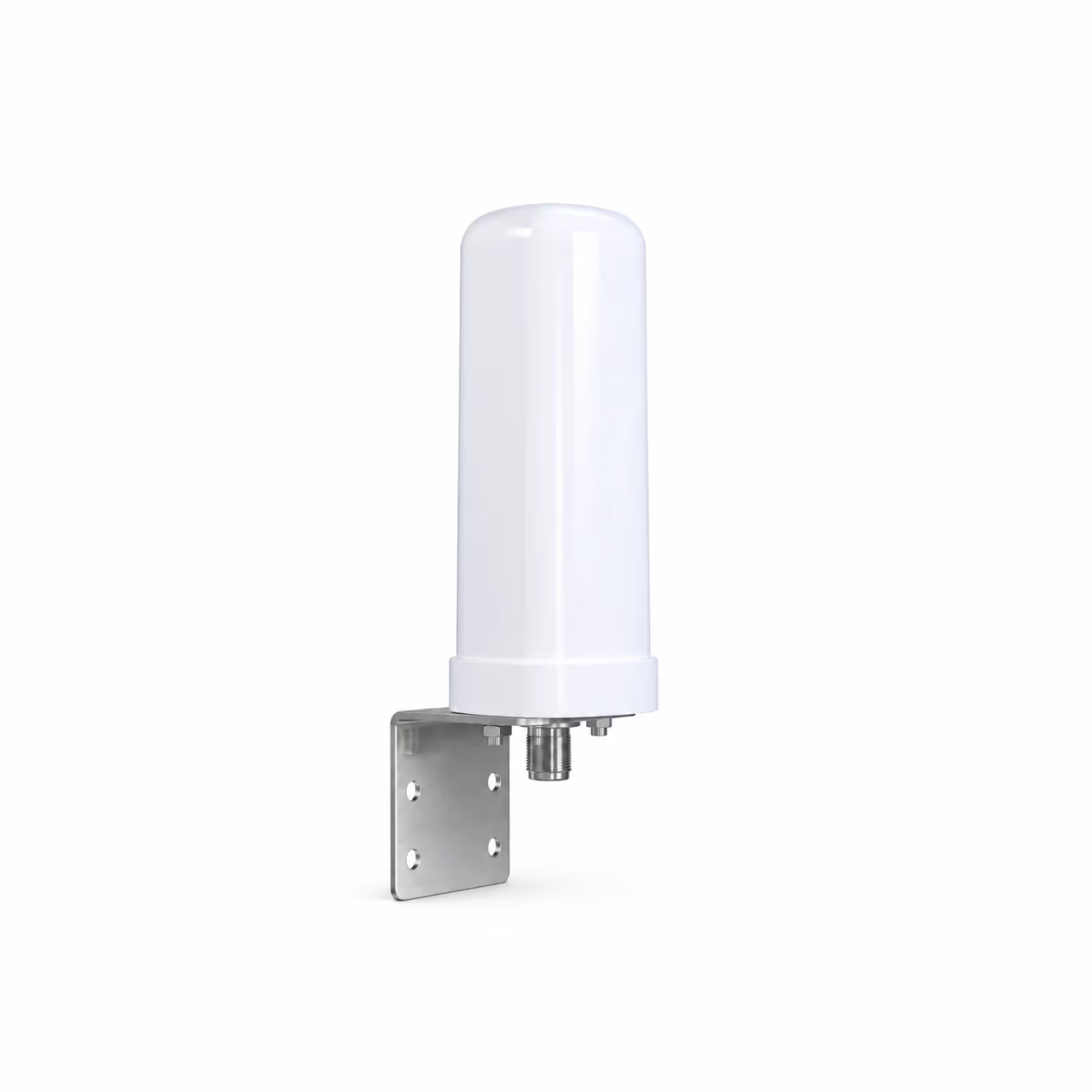
5G Omni SISO 3 dBi Antenna
4G LTE5G5G NR
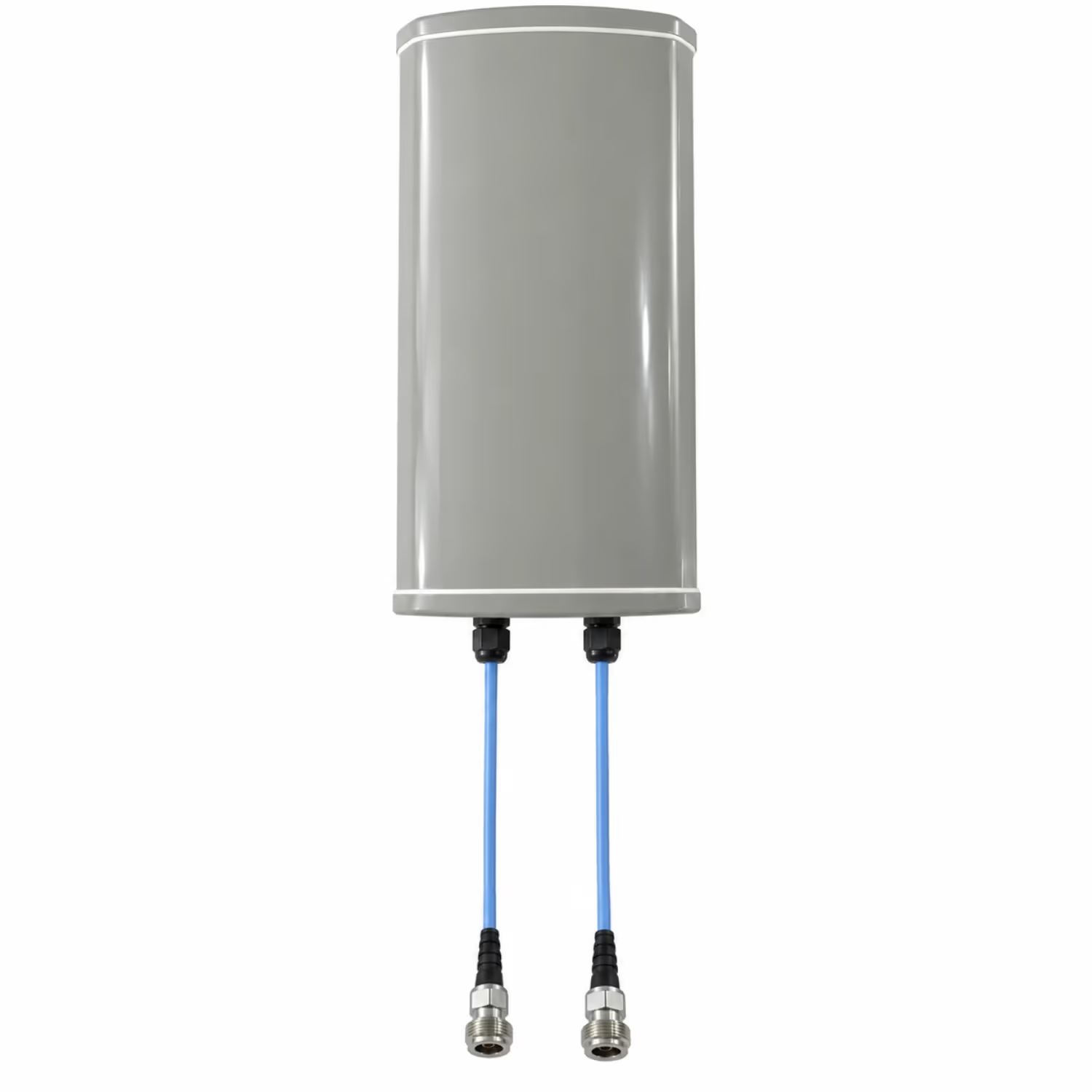
5G MIMO 9 dBi Panel Antenna
2 port5G5G CPE

5G SISO High Gain 14dBi Panel Antenna
4G LTE5G5G NR
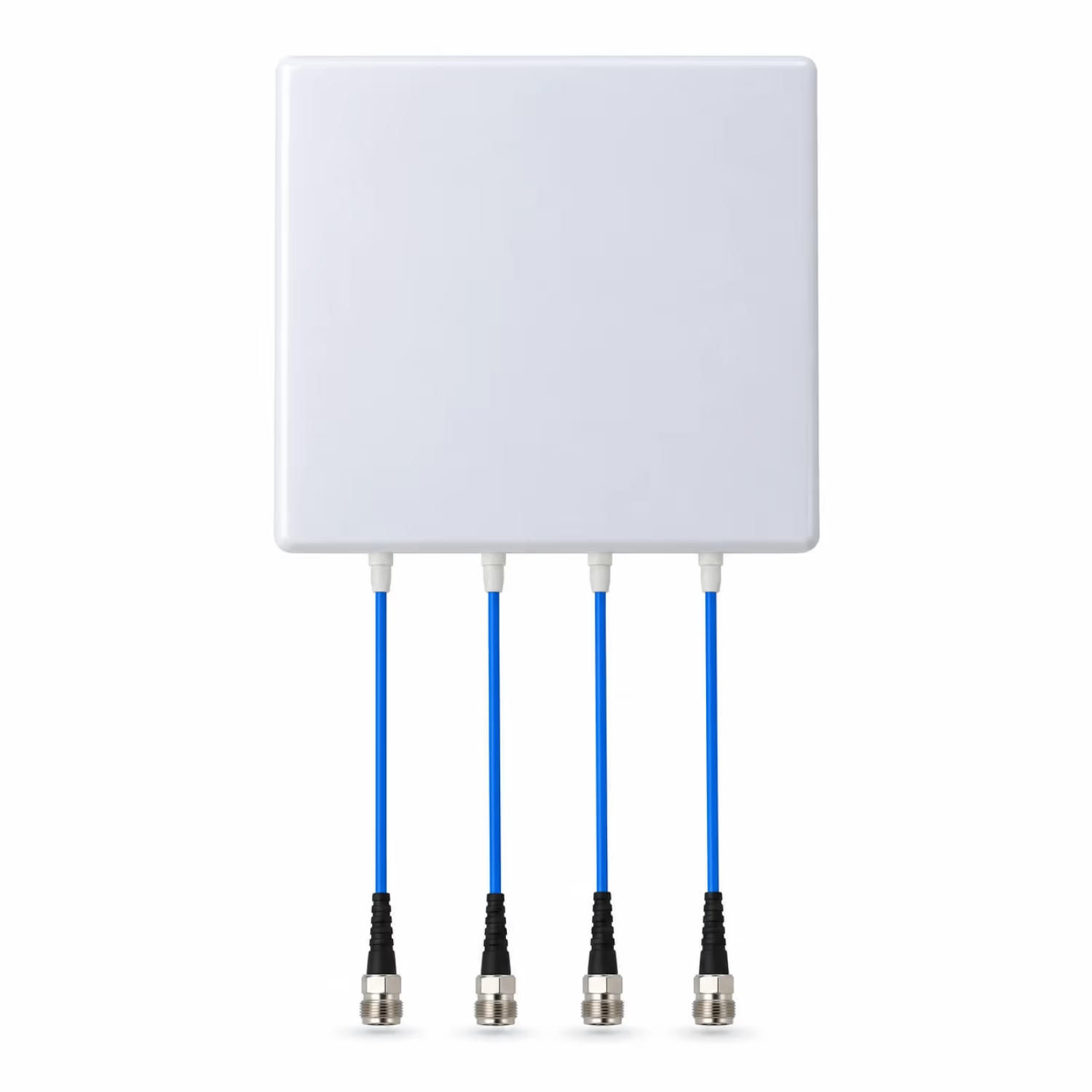
5G MIMO 4x4 9 dBi Panel Antenna
4 Port5G5G NR

5G LPDA 11 dBi Antenna
11dBi4G LTE5G
UHF SISO 5 dBi Panel Antenna
CBRSIBSLow Band
Avis
Loading…
5G High Gain Indoor Ceiling Antenna
Numéro du modèle : 5G-SISO-HG-CEILING-4
A wideband indoor ceiling antenna that improves 4G LTE and 5G coverage across commercial and enterprise buildings.
Caractéristiques
- 617-4000 MHz Wideband Coverage
- 4G LTE and 5G Ready
- 360° Omnidirectional Indoor Coverage
- Low PIM Signal Performance
- 2-4 dBi Balanced Gain
- VSWR ≤1.5 Efficient Matching
- 50W High Power Handling
- 40CM RG141 Cable
- Professional N-Male Connector
- Compact Ceiling-Mount Design